


Fusiliers and the American War of Independence
Introduction
The American War of Independence (1775-1783), known in the US as the American Revolution, is the nation’s dramatic origin story.
On 4 July 2026, the US celebrates the 250th anniversary of its Declaration of Independence. This marks the day when Congress, the body representing delegates from the Thirteen Colonies that rebelled against Britain, formally agreed their independence from the Crown. It famously demanded the right to “Life, Liberty and the pursuit of Happiness”.
To commemorate the occasion, this guide explores the role that three Fusilier Regiments played in the eight-year war: the 5th, 7th and 20th Regiments of Foot, as they were known at the time. Later incarnations of these three infantry regiments, along with the Royal Warwickshire Regiment*, were brought together in 1968 to form the modern Royal Regiment of Fusiliers that exists today.
Their stories are told and illustrated with images of objects and archival material held at museums in the UK and in the US.
Created by the Fusilier Museum Lancashire in partnership with the Fusilier Museums London and Northumberland and supported by the National Army Museum.
About the war
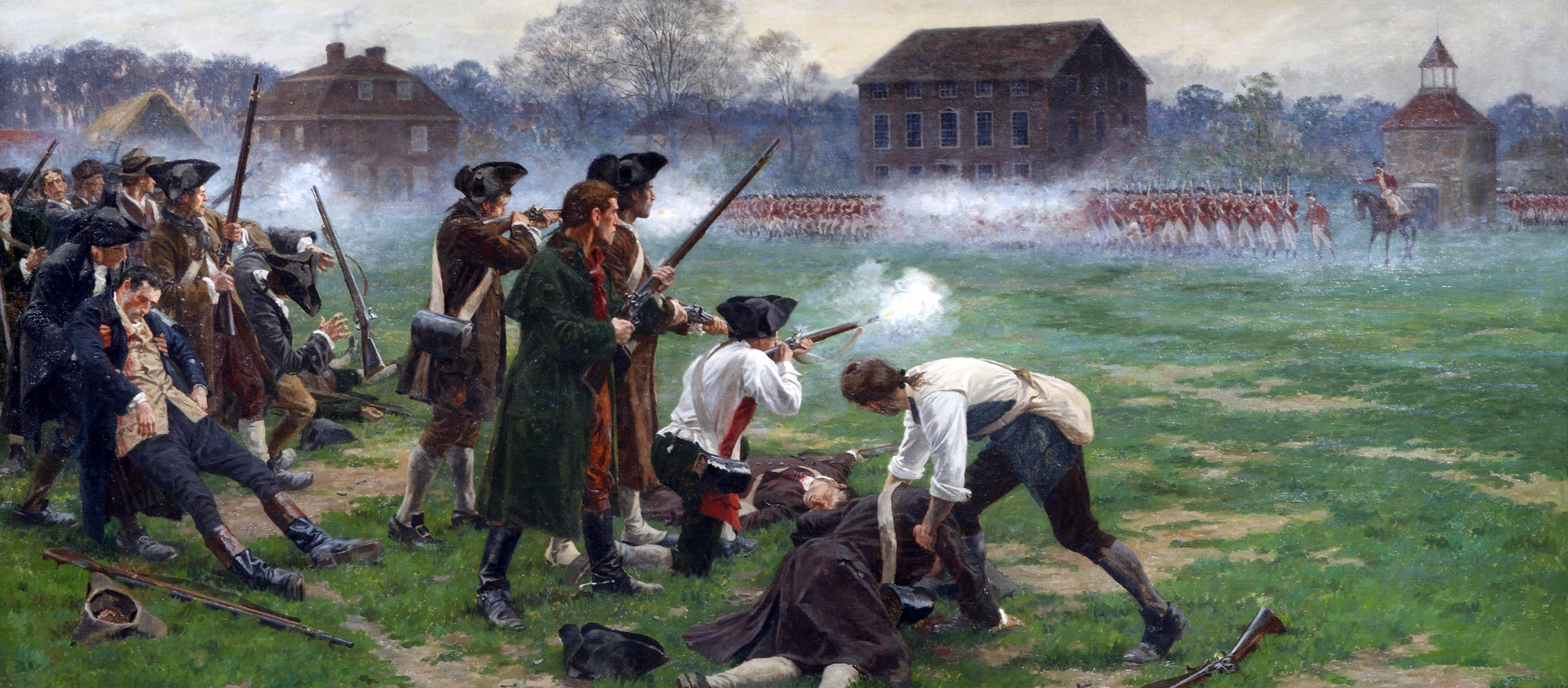
The American Revolution began with the battles of Lexington and Concord on 19 April 1775 and officially ended with the Treaty of Paris on 3 September 1783, when Britain recognised the independence of the American colonies. It was sparked by the colonists’ desire for self-determination and their rejection of the tax burden imposed by the British Crown.
The war initiated the birth of a nation - a new democratic republic - but it was also a bitter conflict that pitched families, neighbours and communities against each other. About a fifth of those who lived in the American colonies continued to support Britain during the war and an estimated 50,000 of these Loyalists served alongside British forces.
The American Continental Army, raised by Congress to represent the Thirteen Colonies, was led by General George Washington, who later became the first President of the United States. The war spilled out across the globe, with the Continental Army later supported by France, Spain and the Dutch Republic; and British Army numbers boosted by German auxiliaries. These forces battled across hundreds of miles, from Canada to the southern states, with clashes in the West Indies and further afield.
Although figures are hard to calculate, it is estimated that more than 70,000 died in the war, only a fraction of those on the battlefield. Most died from diseases like typhus and dysentery. When the war ended, the victorious American colonists celebrated their hard-fought independence from the old world. At the same time, thousands of former Loyalists left the new republic, settling in Canada or heading back to Britain, because they feared reprisals.
Explore the stories of the three Fusilier Regiments who had a significant role in the war: the 5th Foot, 7th Foot and the 20th Foot.
* The 6th Foot, later known as the Royal Warwickshire Regiment, was briefly deployed to New York in 1776, but its men were split between other regiments for the duration of the conflict.
Banner image credit: The Battle of Lexington, 19 April 1775. Oil on canvas by William Barns Wollen (1857-1936), 1910. National Army Museum
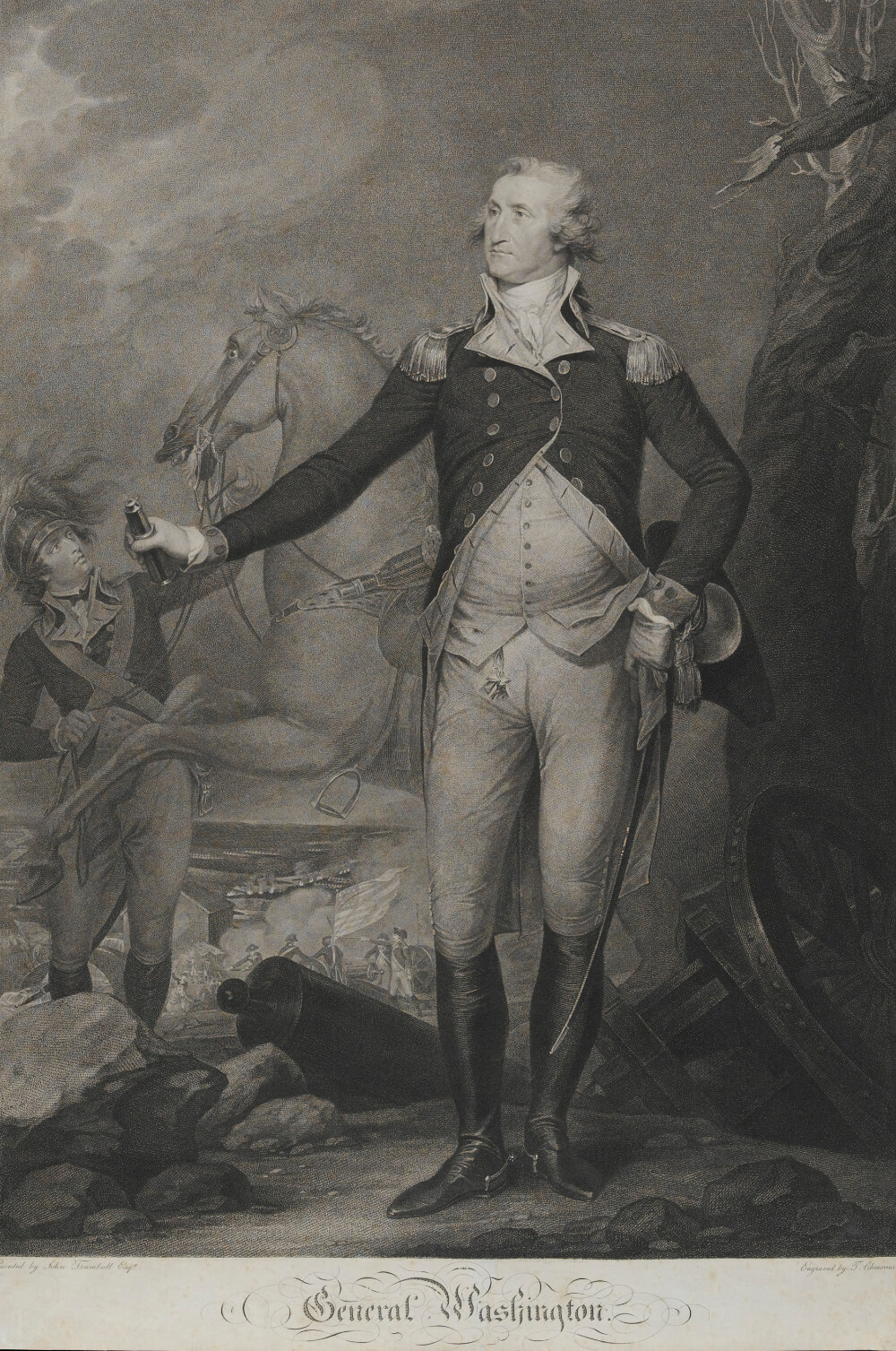 General George Washington, 1776. Stipple engraving by T Cheesman after John Trumbull (1756-1843), published by A C de Poggi, London. National Army Museum
The origins of the American Revolution
Watch Dr Eamonn O'Keefe from the National Army Museum explain why the conflict began.
Find out more about the war through more videos from the National Army Museum.
